There’s nothing better than scrambled eggs served alongside bacon and toast in the morning.
In most American households, scrambled eggs are the go-to breakfast option. They are easy to make, and you can whip them up in just a few minutes.
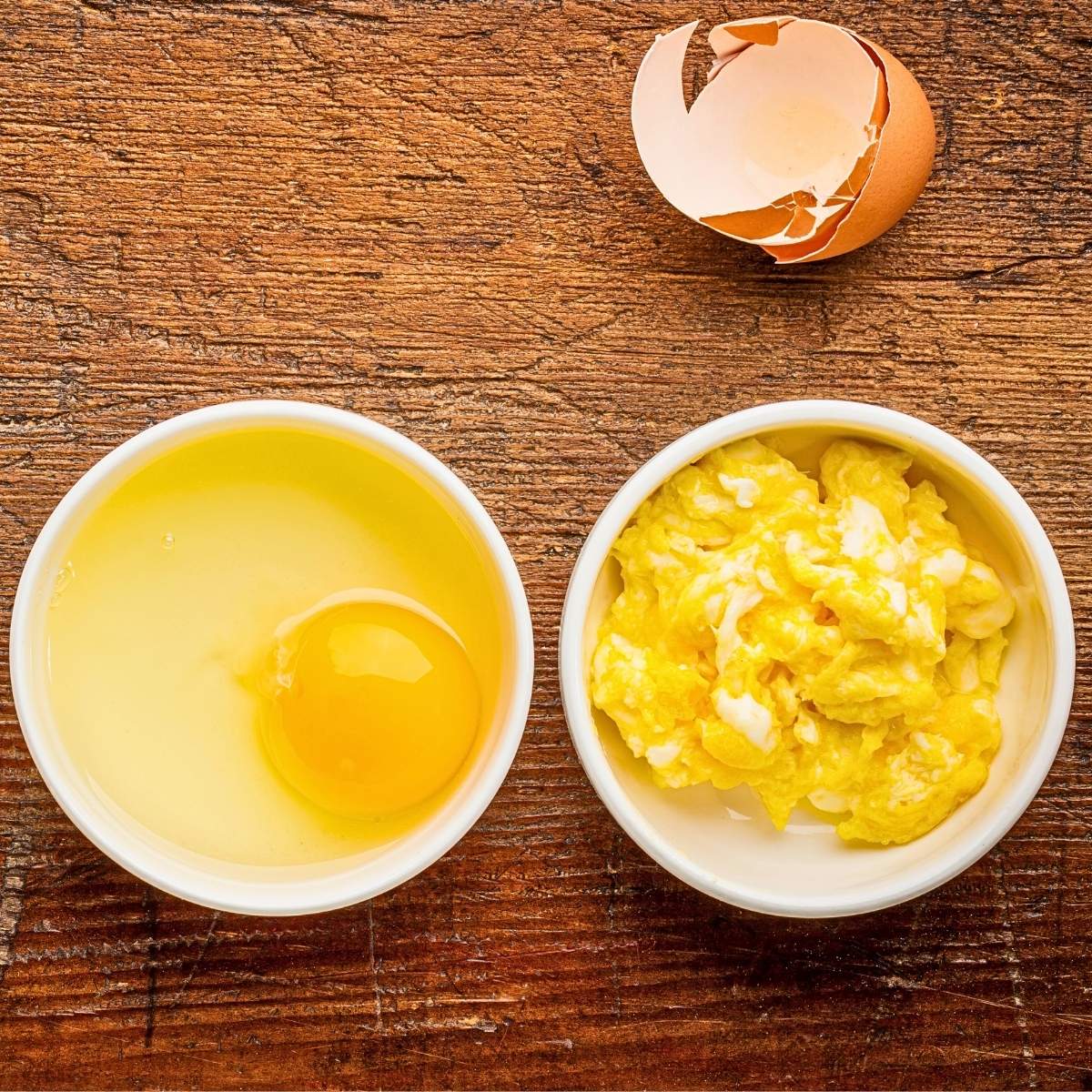
You may be disappointed when you make scrambled eggs only for them to turn out watery. No one likes runny scrambled eggs. If this happens, you may wonder, “why are my scrambled eggs watery?”
There are a few reasons why your scrambled eggs are watery.
They include; whipping the eggs too early on, using the wrong temperature while cooking, using old eggs, overcooking, adding liquid, adding vegetables, not stirring the eggs while cooking, using the wrong skillet, and seasoning too early on.
This article discusses these reasons in detail. We will also look at how to fix runny scrambled eggs.
How Long Do Hard Boiled Eggs Last? Click to read.
Mistakes that make your eggs watery
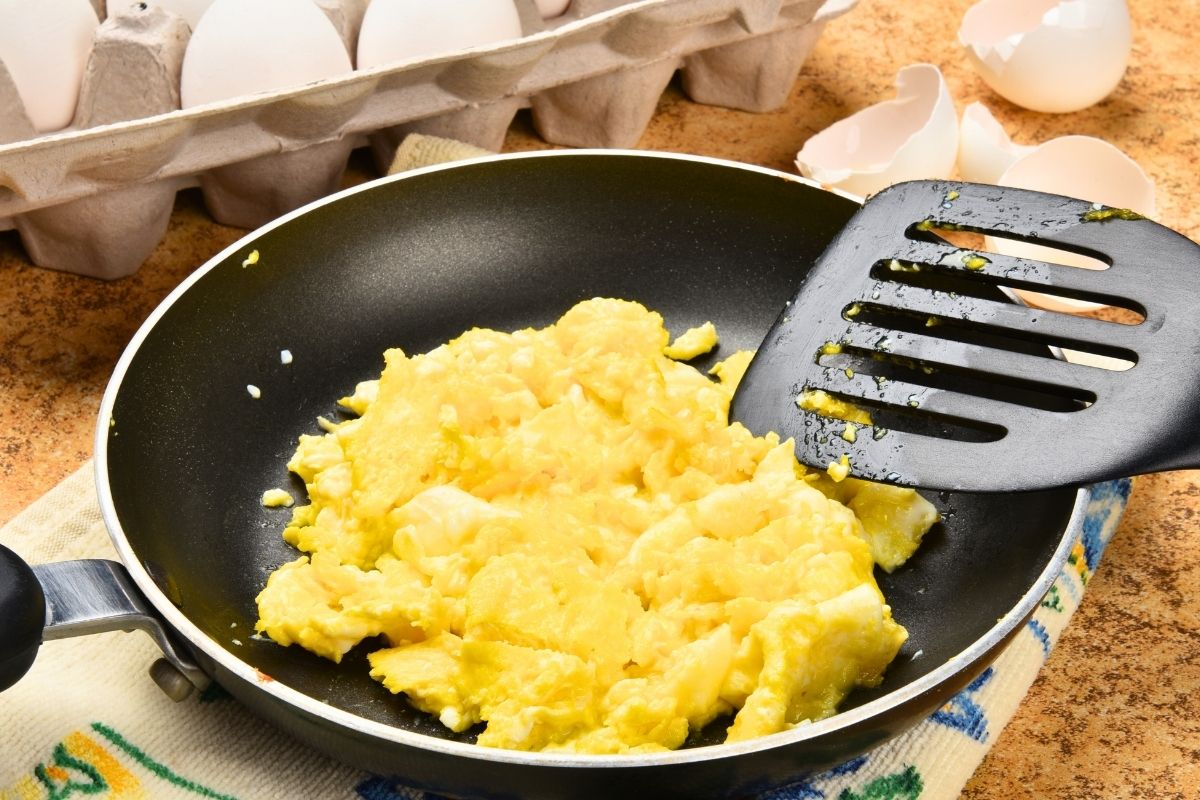
Watery scrambled eggs turn breakfast dreams into soggy nightmares.
While it might be safe to assume that cooking eggs is foolproof, several critical mistakes can transform your fluffy expectations into a watery disaster.
The culprits behind watery eggs aren't mysterious—they're preventable missteps in technique and timing.
From premature whisking to excessive heat, these errors release unwanted moisture and break down the delicate protein structure that creates perfect scrambled eggs.
Understanding where things go wrong is your first step toward mastering consistently creamy, restaurant-quality scrambled eggs every time.
- Whipping the eggs too early on
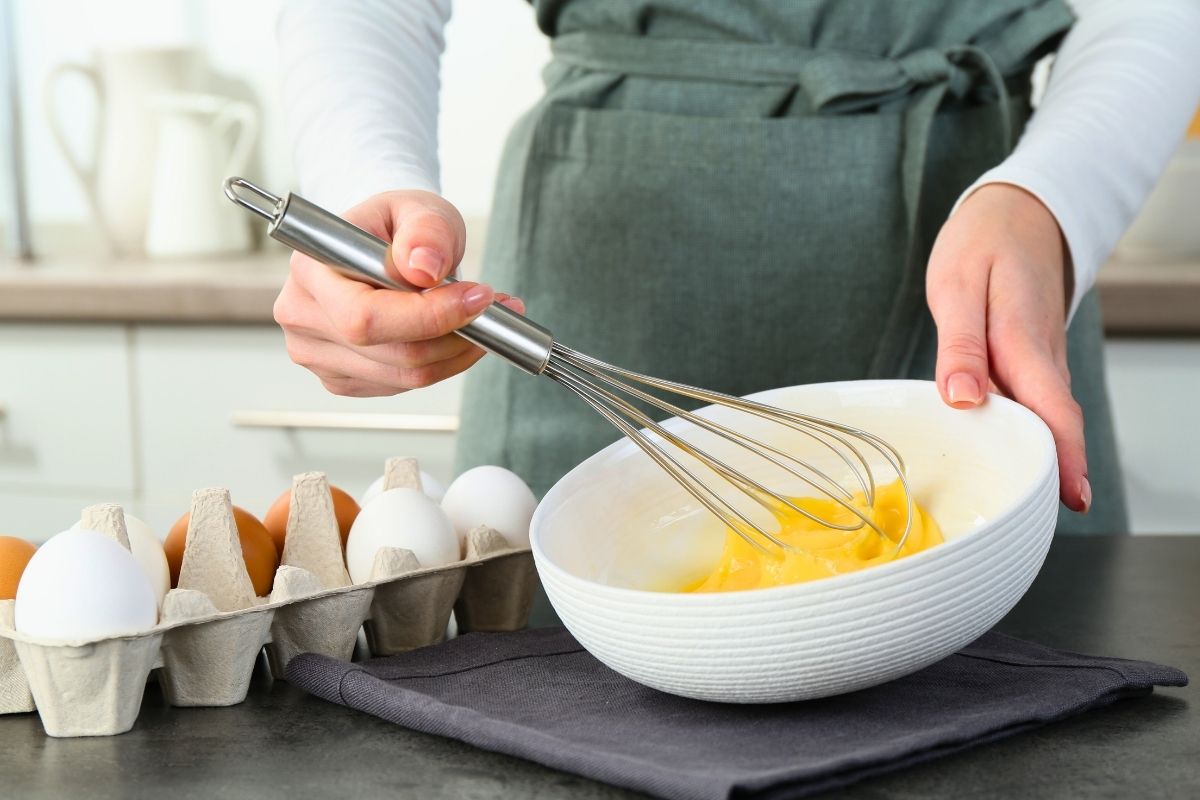
Beating your eggs hours ahead of cooking creates a texture disaster waiting to eat.
When egg proteins sit in their whipped state, they begin breaking down and releasing moisture, which separates from the mixture over time.
Professional chefs recommend whisking eggs immediately before they hit the pan to maintain their natural binding properties and prevent excess liquid formation.
- Using the wrong temperature to cook the eggs

Temperature control separates perfect scrambled eggs from watery disappointments.
Cooking eggs at high heat causes proteins to coagulate rapidly, squeezing out moisture and creating tough, rubbery curds that release liquid.
While the eggs remain safe to eat, their texture becomes unappetizing.
Medium-low heat allows proteins to set gradually, creating creamy, cohesive curds that retain their moisture.
Professional chefs emphasize that patience with temperature control prevents the protein shock that leads to watery separation.
The ideal approach involves gentle, consistent heat that gradually transforms the eggs into silky perfection rather than forcing them into submission.
- Using old eggs
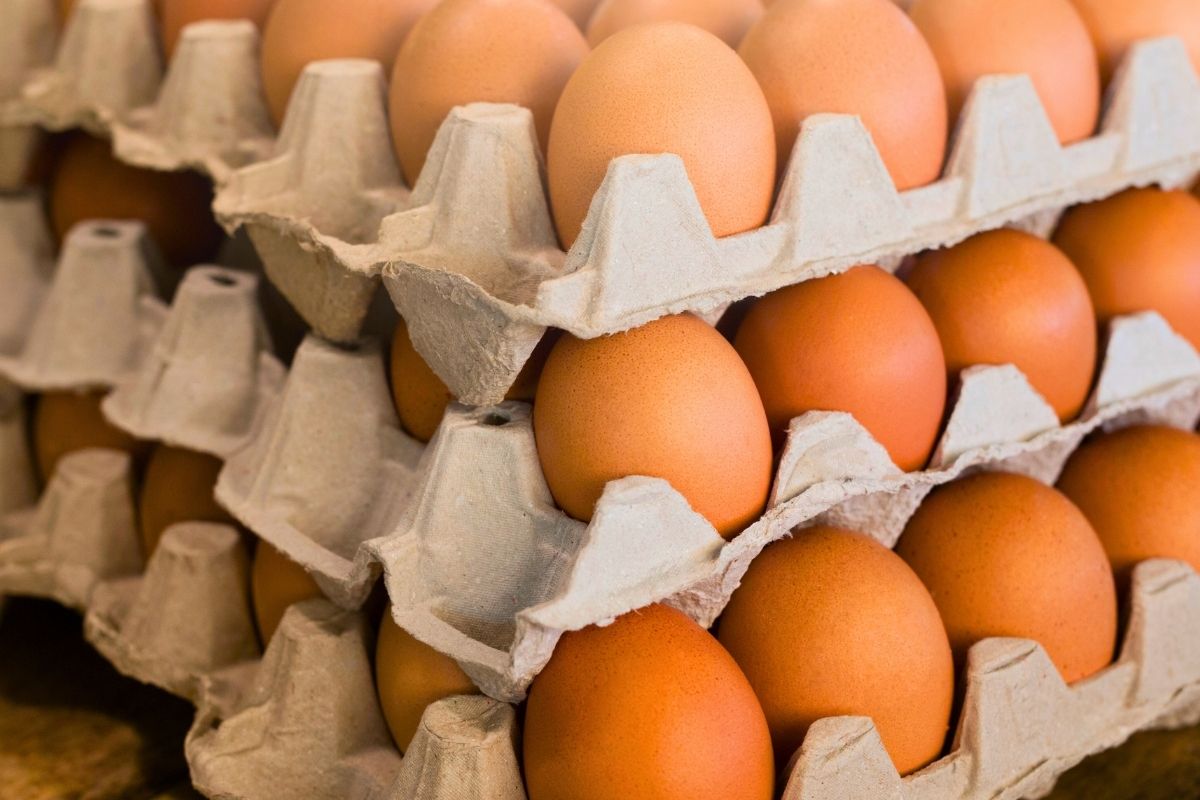
Fresh eggs contain thicker whites that hold together during cooking, while older eggs develop watery whites that separate, and create excess moisture.
As eggs age, their proteins break down and the whites become thinner, making it nearly impossible to achieve the creamy texture most people want in their runny scrambled eggs recipe.
- Adding liquid
Many home cooks believe adding milk or cream makes scrambled eggs fluffier, but excess liquid actually creates the watery texture you're trying to avoid.
When liquid evaporates during cooking, it leaves behind steam pockets that collapse, resulting in deflated, soggy eggs.
The easiest way to fix this issue is eliminating added liquids entirely—eggs contain sufficient natural moisture for creamy results.
- Adding vegetables
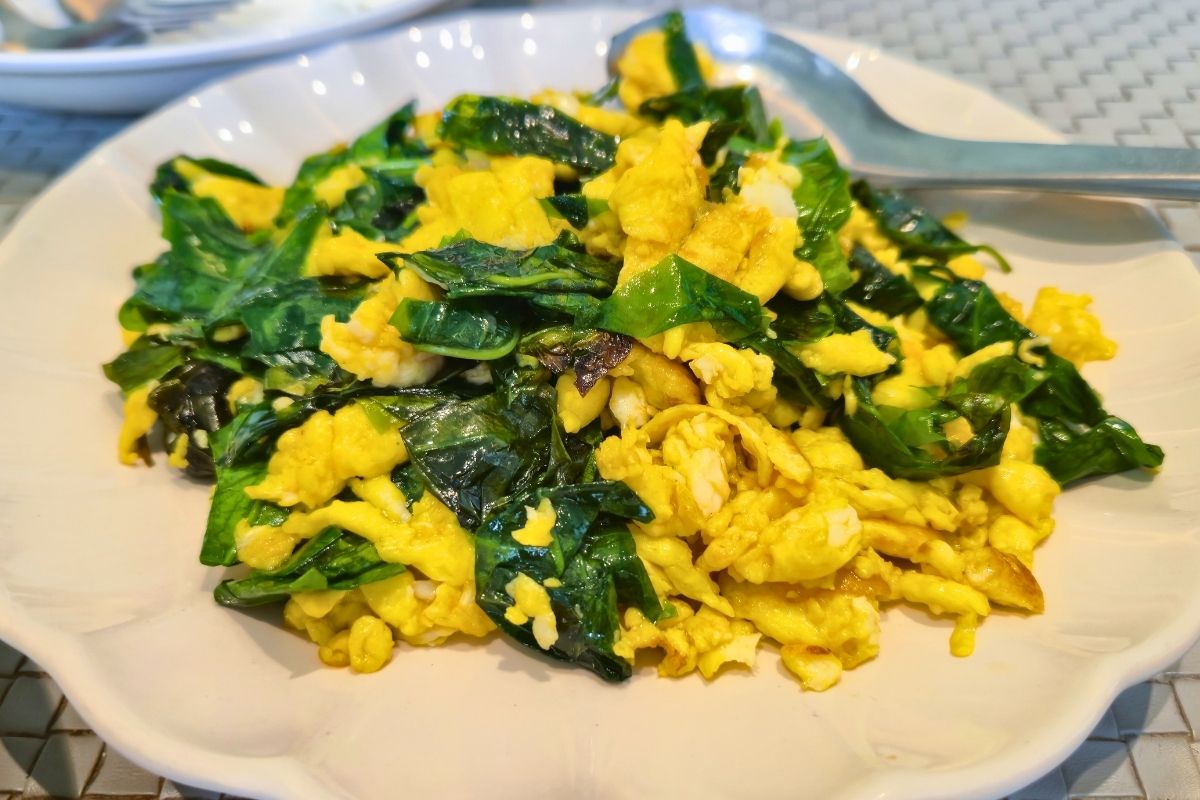
Raw vegetables release moisture as they cook, creating additional water that turns your eggs soggy and watery.
Mushrooms, tomatoes, and bell peppers are particularly problematic since they contain high water content that seeps into the eggs during cooking.
To fix watery eggs caused by vegetables, pre-cook them separately until most moisture evaporates before adding to your scrambled eggs.
This simple step prevents excess liquid from diluting your eggs and ensures the vegetables contribute flavor without compromising texture.
- Not stirring the eggs
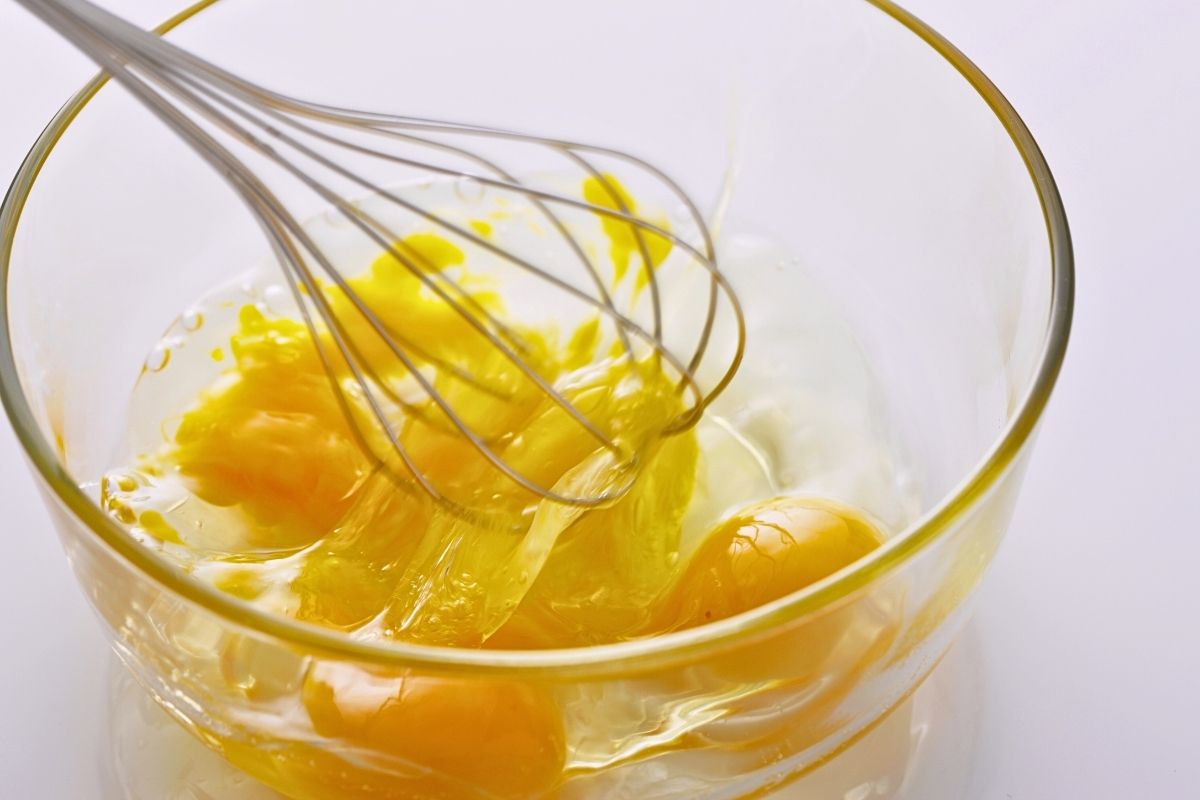
Insufficient stirring during cooking allows proteins to set unevenly, creating pockets where liquid separates from the solidified egg mixture.
When you don't continuously move the eggs around the pan, some areas cook faster than others, causing the proteins to contract and squeeze out moisture.
This separation is exactly what creates that disappointing watery pool in your finished dish.
To fix watery scrambled eggs, maintain gentle but constant stirring throughout the cooking process, ensuring even heat distribution and proper protein coagulation for creamy, cohesive results.
- Wrong skillet
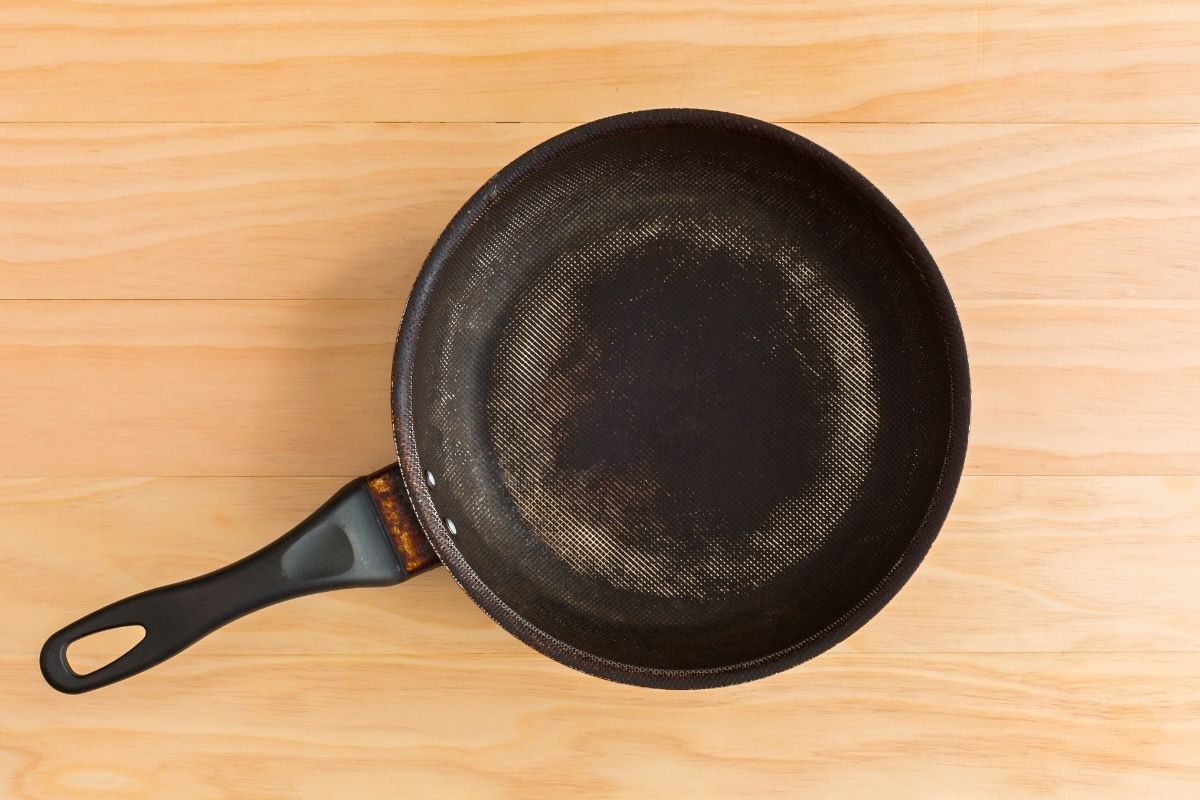
Non-stick pans that have lost their coating allow eggs to stick and burn unevenly, creating hot spots where proteins coagulate too quickly and release excess moisture.
When scrambled egg water pools in these problem areas, the uneven cooking creates a separation between the liquid and solid components of your eggs.
- Seasoning too early on
Salt draws moisture from egg proteins before they have a chance to properly set, creating pools of liquid that separate during cooking.
Adding salt to raw eggs breaks down their structure through osmosis, pulling water out of the proteins and leaving you with undercooked scrambled eggs surrounded by excess moisture.
- Overcooking
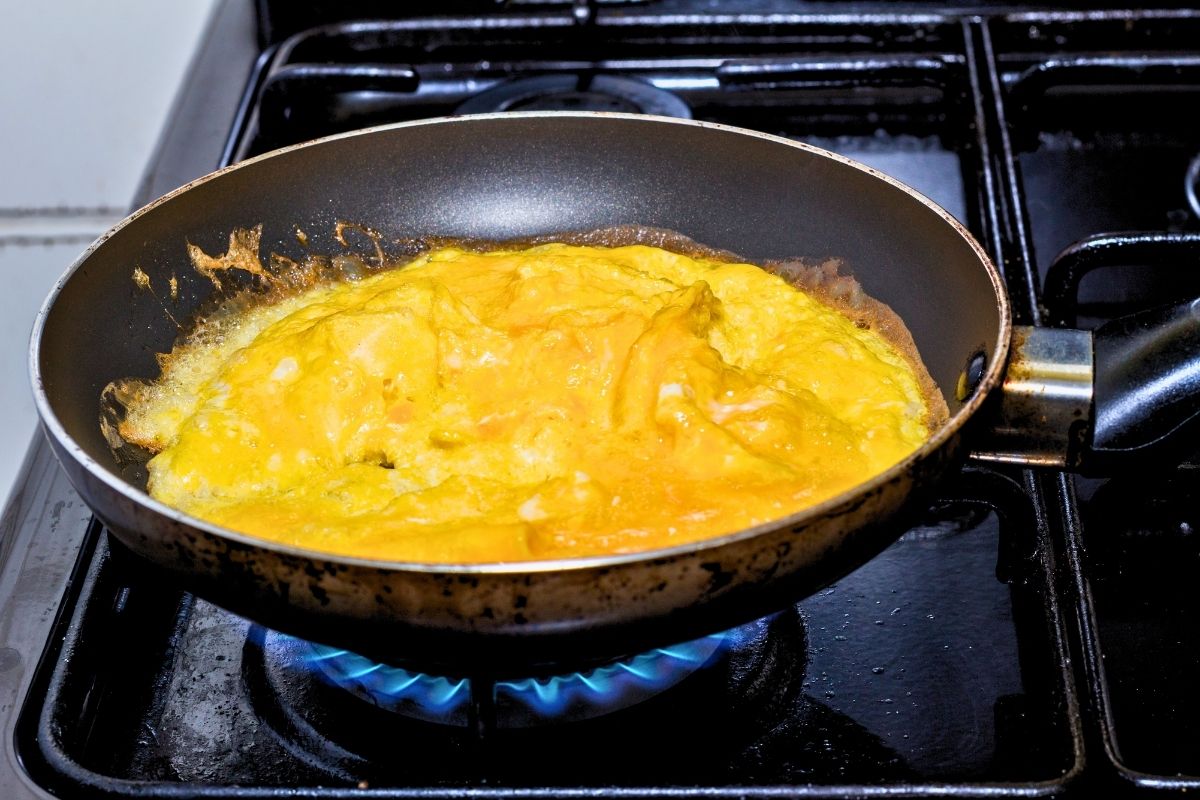
Excessive heat causes egg proteins to contract and expel moisture, creating tough, rubbery curds surrounded by watery liquid.
When eggs cook too long or at temperatures above medium-low, the proteins squeeze out their natural moisture content.
To avoid this common mistake, remove scrambled eggs from heat while they still appear slightly underdone, as residual heat continues cooking them to perfect consistency.
Ways to fix watery eggs.
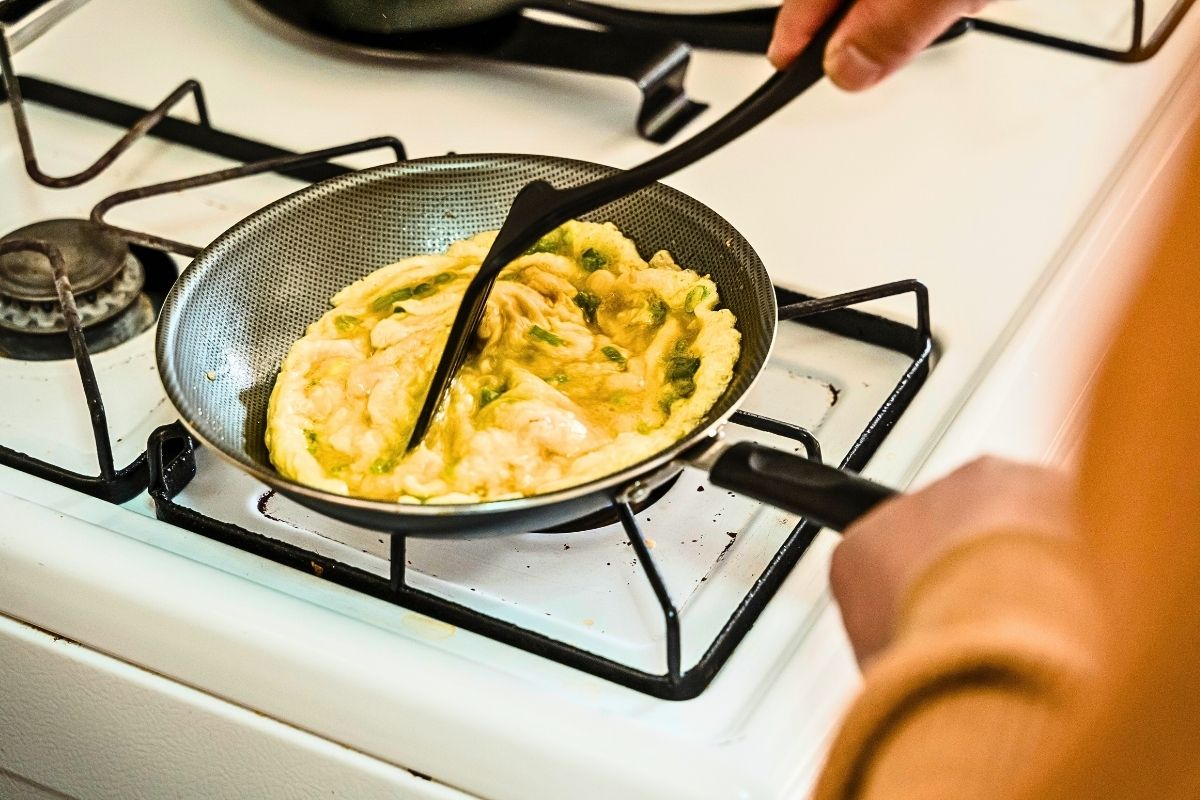
Fortunately, transforming watery scrambled eggs back into creamy perfection requires just a few strategic adjustments.
Temperature control :
This remains the most critical factor—reducing heat to low or medium-low allows proteins to set gradually without expelling excess moisture.
The key is identifying which specific eggs to avoid repeating these same mistakes with in future cooking sessions while implementing immediate solutions for your current batch.
- Add some flour to the eggs
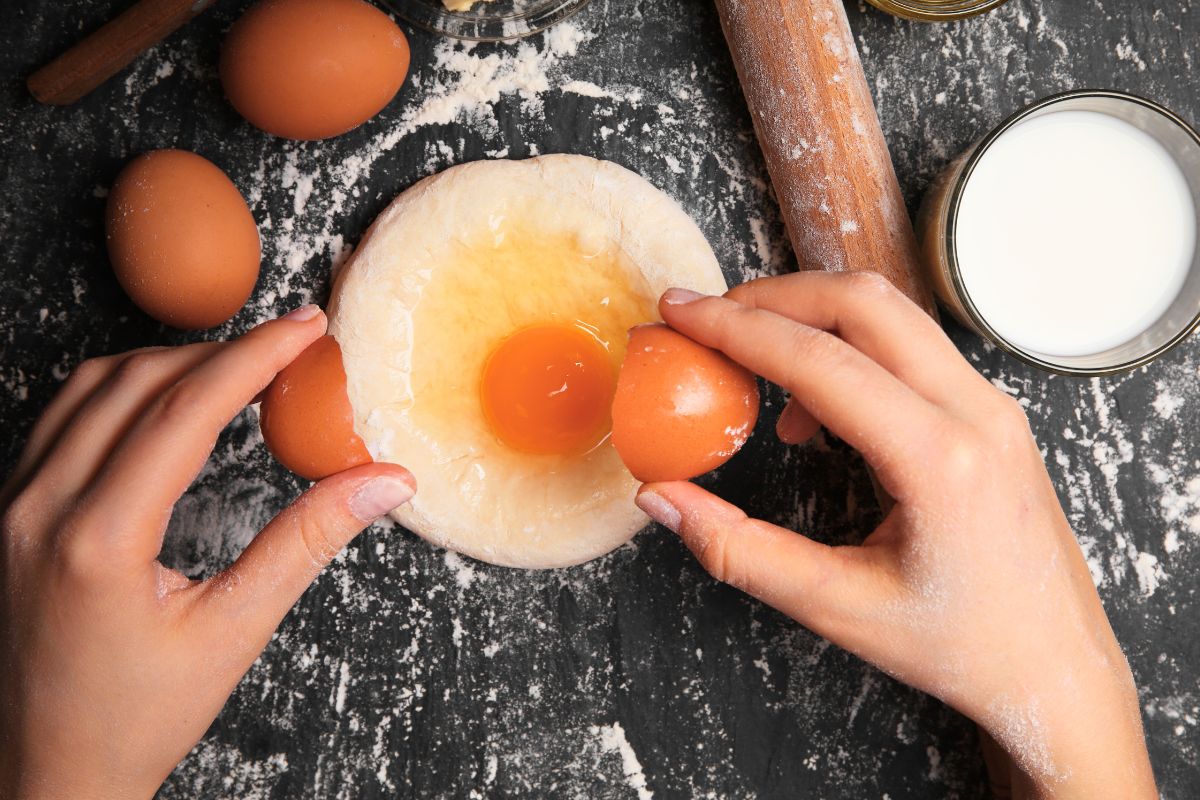
Flour acts as a binding agent that absorbs excess moisture and creates more stable scrambled eggs.
A light dusting of all-purpose flour—approximately half a teaspoon per three eggs—helps proteins hold together without compromising the creamy texture that makes perfect scrambled eggs so appealing.
However, this technique requires careful execution to avoid creating dense, heavy results that many consider among the worst scrambled eggs to avoid.
- Use fewer vegetables/ don't use them at all
Vegetables release moisture as they cook, contributing significantly to watery scrambled eggs.
Understanding how to fix watery scrambled eggs often means recognizing that ingredients like mushrooms, tomatoes, bell peppers can release substantial water content during the cooking process, diluting your eggs, and creating an undesirable texture.
- Don't add liquid to your eggs
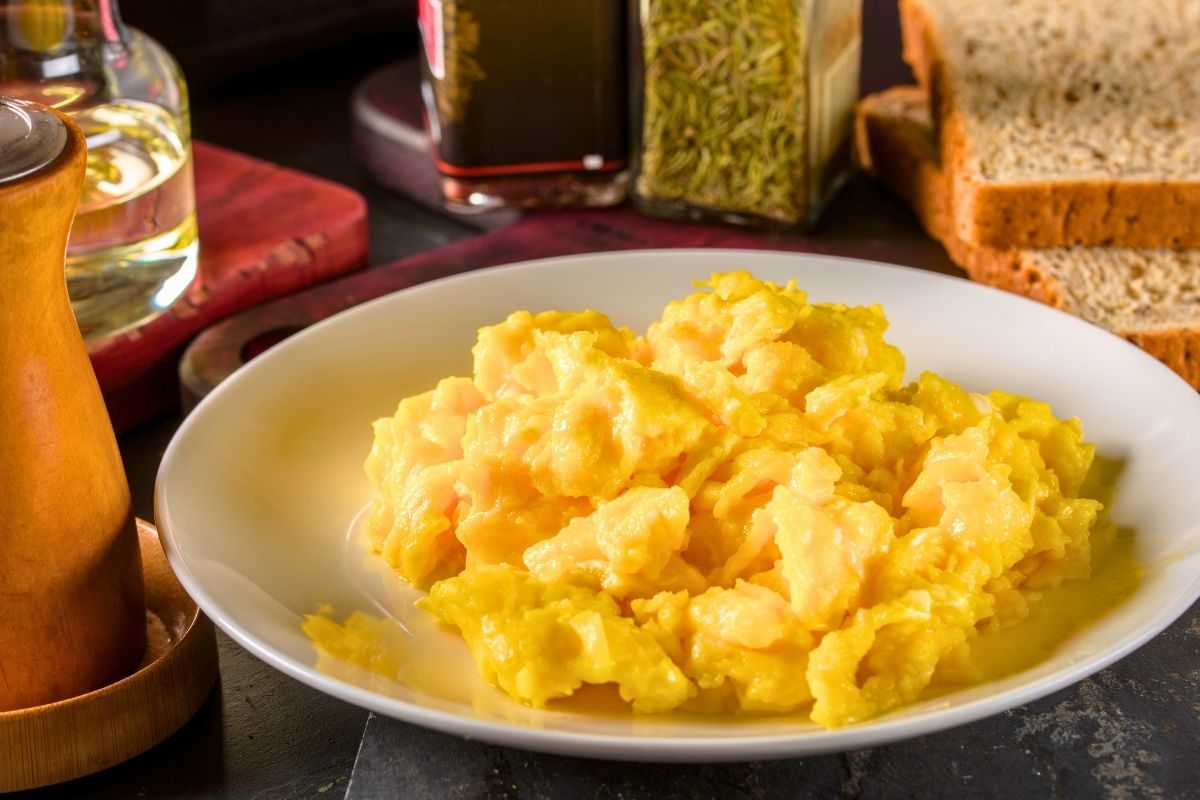
Adding milk, cream, or water to scrambled eggs is one of the most common culprits behind watery results.
These liquids don't actually make eggs creamier—they separate during cooking and create unwanted moisture.
To fix watery scrambled eggs, skip all liquid additions entirely and let the eggs' natural fat content provide richness and texture instead.
- Pro tip: Whisk the eggs well before cooking
Proper whisking creates uniform eggs that cook evenly and resist separation.
Thorough whisking breaks down the protein structures completely, preventing pockets of uncooked egg white from releasing excess moisture during cooking and ensuring a consistently creamy texture throughout.
Conclusion
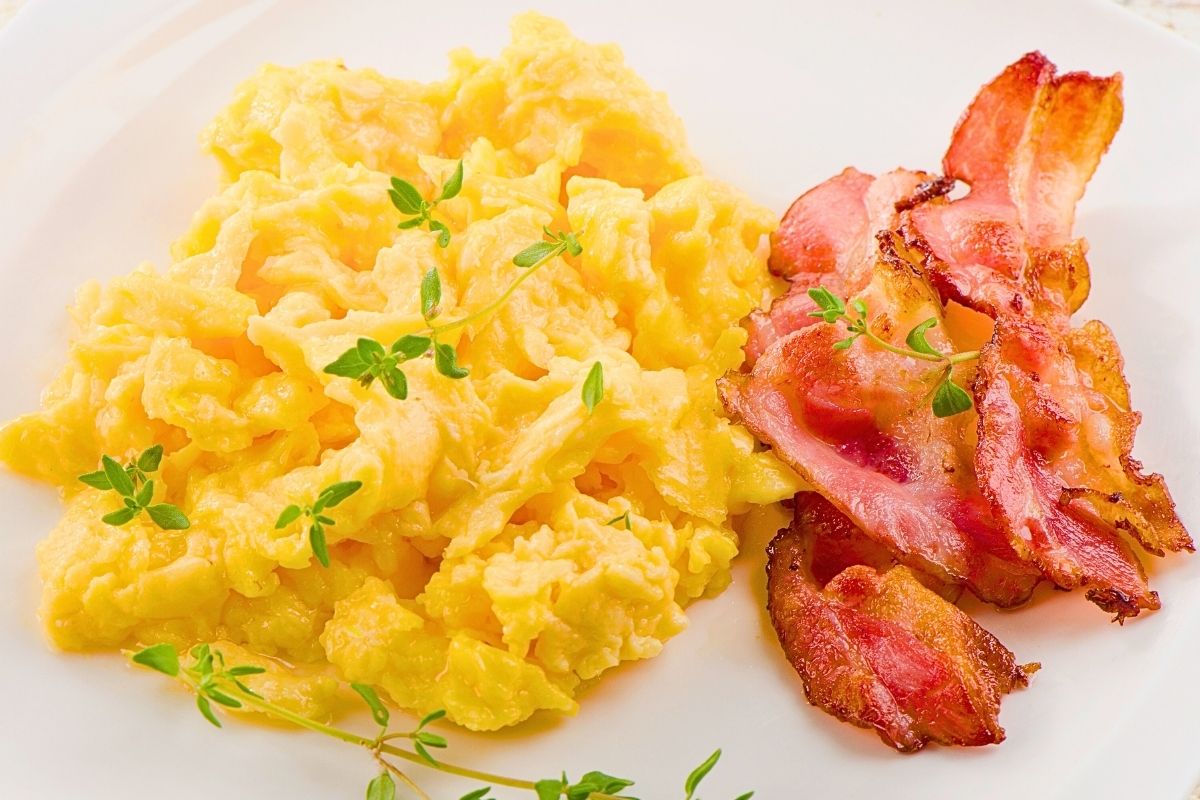
Perfect scrambled eggs start with understanding the science behind the common mistakes.
By avoiding liquid additions, whisking thoroughly, controlling heat, and timing your cooking properly, you'll consistently create creamy, restaurant-quality eggs that never disappoint your breakfast expectations.
More Food ingredients
Beyond eggs, the ingredients you add can make or break your scramble.
While we've covered avoiding milk and cream, other common additions deserve attention for achieving perfect texture and preventing watery results.
FAQ
Prevention starts with proper preparation and temperature control.
First, crack eggs into a bowl and whisk thoroughly until completely uniform—no streaks of white should remain visible.
This ensures even cooking throughout.
Next, heat your pan over medium-low heat and add butter, allowing it to melt completely before adding eggs.
Pour the whisked eggs into the warm pan and immediately begin stirring gently with a spatula, moving the eggs constantly to prevent large curds from forming.
The key is maintaining consistent, gentle heat while continuously moving the eggs around the pan.
Remove the pan from heat when eggs still appear slightly wet, as residual heat will finish the cooking process without creating excess moisture.
The best moisture-avoiding additions are butter, herbs, and well-drained ingredients.
Start with a small pat of cold butter added at the end of cooking—it creates richness without introducing water content like cream or milk would.
Fresh herbs like chives, parsley, or dill should be finely chopped, added just before serving to prevent wilting, and water release.
For mix-ins, choose ingredients that won't leak moisture during cooking.
Pre-cooked bacon or ham work well, but avoid raw vegetables that release water when heated.
If you want cheese, add it off the heat so it melts gently without becoming stringy or separating.
Salt timing matters significantly—add it to the beaten eggs before cooking rather than during, as this prevents the proteins from toughening and releasing excess liquid.
This preparation ensures your pan choice will work effectively for creating the perfect texture.
The pan material and size significantly impact moisture retention in scrambled eggs.
Non-stick pans excel at preventing sticking while maintaining gentle heat distribution, which helps control moisture evaporation.
Cast iron and stainless steel pans conduct heat more aggressively, potentially causing faster moisture loss if not properly managed.
Pan size matters equally - using an oversized pan spreads eggs too thin, accelerating water evaporation and creating dry, rubbery results.
Conversely, cramming eggs into a too-small pan creates uneven cooking and steam pockets that contribute to wateriness.
The ideal pan should accommodate your egg quantity with roughly half-inch depth when poured, ensuring even heat distribution and controlled moisture release throughout the cooking process.
Temperature control is the single most critical factor determining whether your scrambled eggs turn out creamy or watery.
High heat causes proteins to contract rapidly and squeeze out moisture, creating those telltale puddles of liquid in your pan.
When eggs cook too quickly at elevated temperatures, the proteins form tight, rubbery curds that literally wring themselves out like a sponge.
Low to medium-low heat allows proteins to coagulate gently, trapping moisture within the egg structure rather than expelling it.
This gradual cooking process creates silky, custard-like curds that hold their shape without weeping.
The difference between perfect scrambled eggs and watery disappointment often comes down to patience and proper temperature management—setting the stage for understanding how timing plays an equally crucial role in achieving ideal texture.
The optimal cooking time for scrambled eggs is 3-5 minutes over low heat, with constant stirring to prevent overcooking.
Rushing the process by using high heat typically results in watery, rubbery eggs that release moisture as proteins tighten too quickly.
Perfect scrambled eggs require patience and gentle heat application.
When you cook too fast, the proteins coagulate rapidly and squeeze out water, creating the dreaded watery texture.
The key is maintaining consistent, gentle movement throughout the cooking process.
Remove eggs from heat while they still appear slightly underdone - they'll continue cooking from residual heat and reach the perfect creamy consistency.
This timing precision becomes especially critical when you're ready to serve, as proper drainage techniques can make the final difference.
Never drain liquid from scrambled eggs before serving, as this removes essential moisture and flavor while creating an unappetizing presentation.
If your scrambled eggs have separated liquid, the issue stems from improper cooking technique rather than excess moisture that needs removal.
Draining scrambled eggs eliminates the creamy proteins that bind the dish together, leaving you with dry, rubbery curds.
Instead of draining, gently fold the eggs with a spatula to reincorporate any separated liquid back into the mixture.
The presence of liquid indicates overcooking or excessive heat during preparation.
When eggs release whey, it's a sign the proteins have tightened and expelled moisture.
Rather than treating the symptom by draining, focus on prevention through proper temperature control and timing for your next batch.
If you must salvage watery eggs, remove them from heat immediately and continue gentle stirring off the burner.
This approach preserves the dish's intended texture while naturally reducing excess moisture through evaporation.
However, these eggs may raise questions about food safety that warrant consideration.
The best moisture-controlling ingredients are butter, cream cheese, and heavy cream, which add richness without introducing water content.
Unlike milk, these dairy products contain minimal water while providing the creamy texture many cooks desire.
A tablespoon of butter per two eggs creates silky results without dilution risks.
Salt should be added at the end of cooking to prevent breaking down egg proteins prematurely, which can release unwanted moisture.
Fresh herbs like chives or parsley work well as finishing touches, while avoiding watery vegetables during the scrambling process helps maintain proper consistency.
The type of cookware you choose can significantly impact how well these ingredients perform in preventing moisture issues.
The pan you choose directly impacts moisture retention and cooking evenness in scrambled eggs.
Non-stick pans provide superior control over heat distribution, preventing hot spots that can cause uneven cooking, and moisture separation.
Cast iron and stainless steel pans retain more heat, making temperature control more challenging and potentially leading to overcooked, watery eggs if not managed carefully.
The key is selecting a pan that allows for gentle, consistent heat transfer throughout the cooking process.
Temperature control is the single most critical factor in preventing watery scrambled eggs.
High heat causes proteins to coagulate rapidly, squeezing out moisture and creating a rubbery, separated texture.
When eggs cook too quickly, water separates from the protein matrix, pooling as unwanted liquid in your finished dish.
Low to medium-low heat allows proteins to set gradually, creating silky, cohesive curds that retain moisture naturally.
This gentle approach gives you better control over the cooking process, preventing the dramatic temperature spikes that lead to weeping eggs.
The ideal cooking temperature creates creamy, unified scrambled eggs rather than the grainy, watery results that come from rushing the process.
Understanding this temperature-texture relationship becomes even more important when considering timing - the duration of cooking plays an equally crucial role in achieving perfect results.
Perfect scrambled eggs cook in just 2-3 minutes over low heat, preventing the protein overcooking that creates watery separation.
The key lies in constant, gentle stirring throughout this brief window.
Eggs continue cooking even after removing from heat, so timing your exit from the pan becomes crucial for maintaining that creamy, cohesive texture that prevents any liquid from pooling on your plate.
Never drain liquid from scrambled eggs - this indicates fundamental cooking errors that need correction, not removal.
Properly cooked scrambled eggs shouldn't produce excess liquid that requires draining.
If you're seeing pooled liquid, the eggs are overcooked and the proteins have expelled moisture.
Instead of draining, remove the pan from heat immediately and stir in a cold pat of butter to halt further cooking.
This technique can help reincorporate some moisture back into the curds.
The presence of liquid signals you need to adjust your technique for next time - lower heat, gentler stirring, and removing from heat while still slightly underdone.
Quality eggs start with proper cooking methods, and addressing the root cause will ensure consistently creamy results without any liquid separation.
Fresh eggs produce firmer, less watery scrambled eggs due to their thicker whites and more cohesive protein structure.
As eggs age, their whites become thinner and watery, creating a looser texture when scrambled that's more prone to separation and moisture release during cooking.
Adding milk or cream doesn't prevent watery scrambled eggs - in fact, it can make the problem worse by introducing additional liquid that separates during cooking.
The key to creamy scrambled eggs lies in proper technique and temperature control, not dairy additions.
Focus on low heat, constant stirring, and removing eggs from heat while slightly underdone to achieve that perfect, silky texture without unwanted liquid pooling on your plate.