Tamales have been in existence since time immemorial. They are an amazing dish made from masa, corn-based dough, and meat filling.
The meat filling can be of any kind, so you choose what you prefer.
Making tamales is not so difficult, as long as you follow the recipe. However, sometimes you may end up with dry tamales. If this happens to you, you can ask yourself, why my tamales came off to be dry?
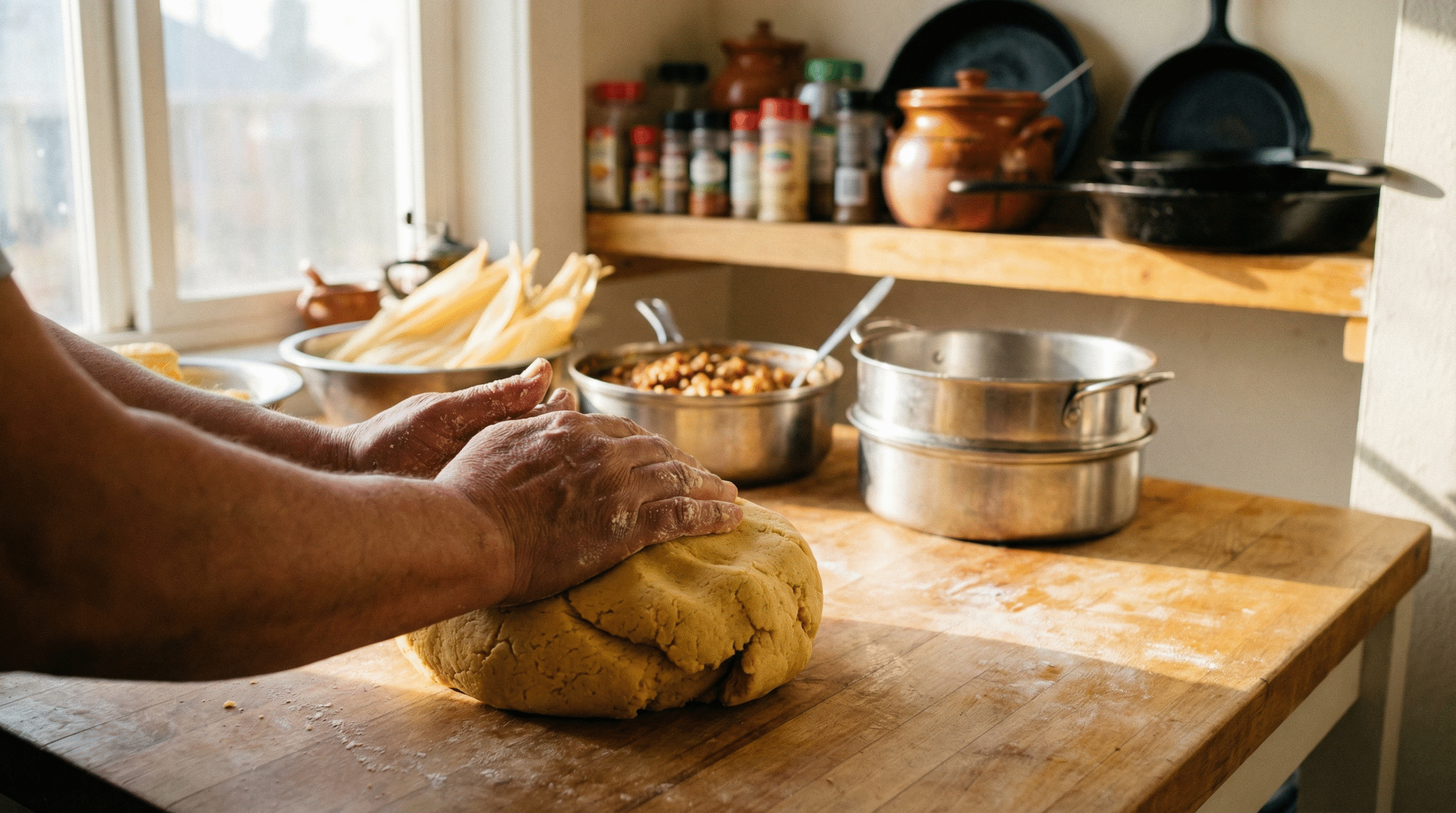
There are several reasons why you may end up with dry tamales.
Maybe you did not hydrate your masa properly, didn’t whip the lard, used too much water to steam, failed to use cold water in the stocks’ boiling process, or used pre-made masa.
This article discusses the various causes of dry tamales in detail. Additionally, we will discuss how to reheat the delicacy for them not to dry out, and how to fix them.
Let’s dive in.
Also, Check out: How to reheat tamales in less than 15 minutes
Possible reasons why your tamales dry up

Nothing ruins the joy of homemade tamales quite like biting into a dry, crumbly disappointment.
That perfect balance of moist masa and flavorful filling can vanish faster than you'd expect, leaving you wondering where you went wrong.
Masa preparation issues top the list of culprits. When your masa lacks sufficient fat or liquid, it creates a dense, dry texture that won't long to hold moisture during cooking. Tamales FAQ: How to Fix Masa, Filling, and Steaming Problems confirms that proper masa consistency is crucial for moisture retention.
Overcooking presents another common problem. Extended steaming times extract precious moisture from both the masa and filling, creating that dreaded cardboard texture.
However, undercooking can be equally problematic, leaving you with gummy, unpalatable results.
The key lies in understanding these moisture-robbing factors before they strike.
How to reheat tamales so that they don't dry out

Reheating tamales properly is crucial for preventing them from becoming dry and unappetizing.
The steaming method remains the gold standard - place tamales in a steamer basket over simmering water for 15-20 minutes, ensuring the steam circulates around each tamale to restore moisture.
For faster results, wrap individual tamales in damp paper towels and microwave for 60-90 seconds, checking halfway through.
The microwave's speed makes it tempting to cook at high power, but medium heat prevents the masa from becoming rubbery.
Avoid the oven method unless you wrap tamales in foil with a tablespoon of water - the dry heat will only worsen moisture loss.
When using any reheating method, never unwrap frozen tamales first; the husk acts as a protective barrier that locks in essential steam during the warming process.
How to fix dry tamales
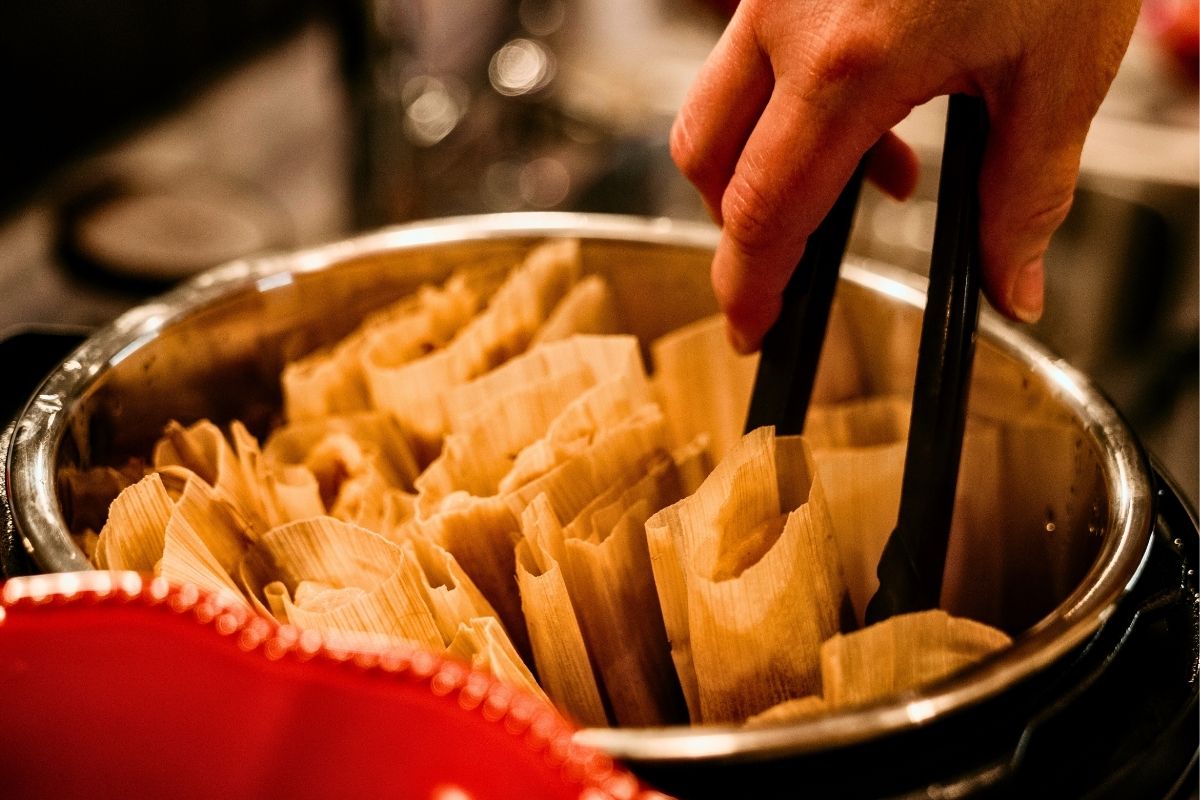
When your tamales have already turned out dry, don't despair - several rescue methods can restore moisture and save your batch.
Steam revival works best for recently cooked tamales that haven't long to cook but lost moisture during the process. Place dry tamales in a steamer basket over simmering water for 10-15 minutes, allowing gentle steam to penetrate the masa.
For severely dry tamales, the moisture injection method proves more effective. Lightly brush the tamales with warm broth or melted butter before steaming.
Five truths about tamales reveals that proper moisture balance requires patience - rushing the rehydration process often leads to uneven results.
Microwave rescue offers a quick alternative: wrap individual tamales in damp paper towels, heat for 30-60 seconds, and checking frequently to prevent overheating.
Conclusion
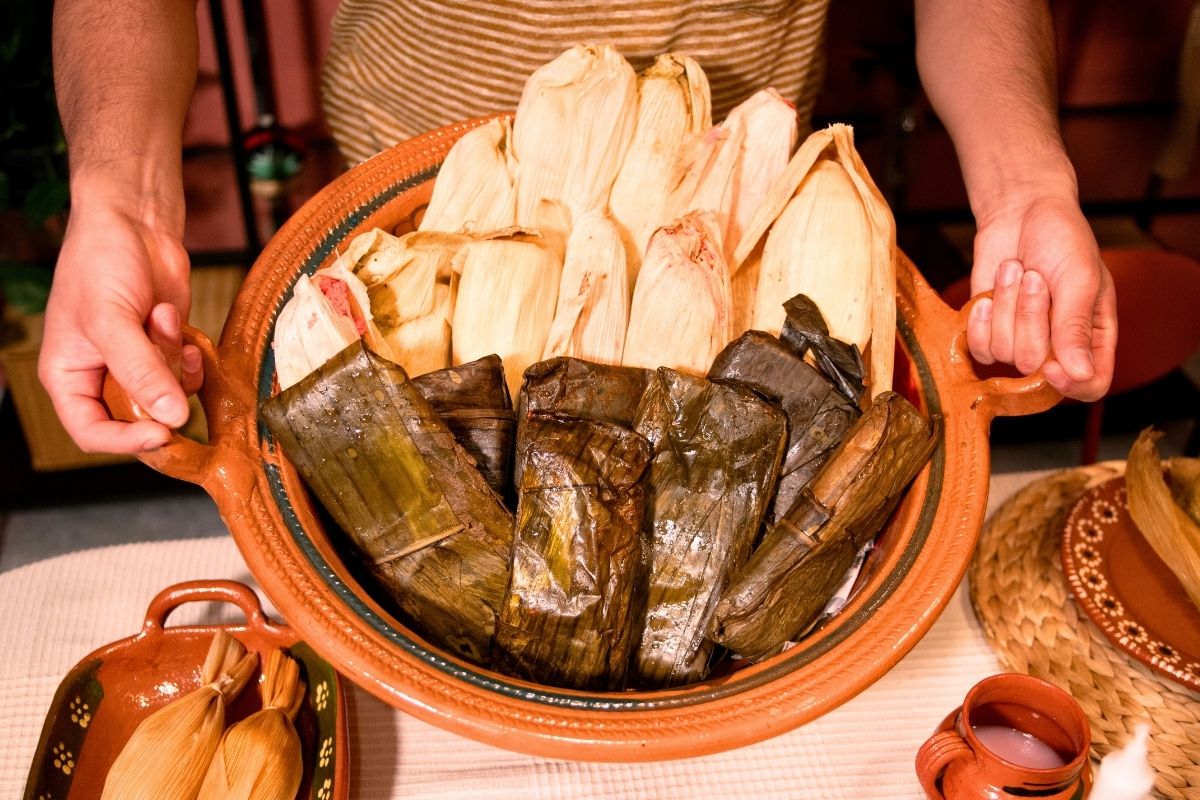
Dry tamales don't have to spell disaster for your cooking efforts. Understanding the root causes - from insufficient fat in masa to overcooking during steaming - empowers you to prevent and fix moisture problems effectively.
Whether you're dealing with tamales that turned out dry or wondering how long to steam without losing precious moisture, the key lies in proper technique and timing.
The steaming revival method works remarkably well for rescuing dry tamales, while prevention through adequate fat content and careful monitoring ensures consistently moist results.
Remember that tamale-making is both an art and a science, requiring patience and practice to master the delicate balance of ingredients and cooking time.
More Food ingredients
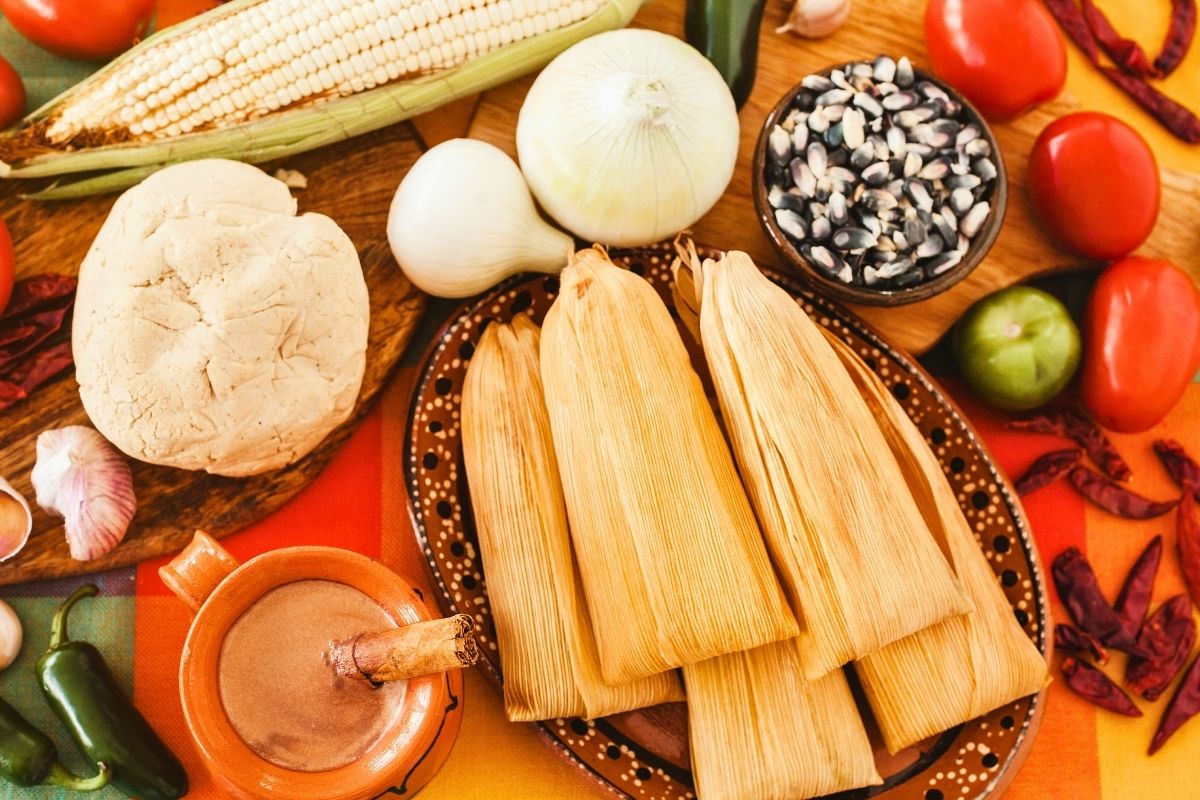
Beyond the basic masa, fat, and liquid components, several additional ingredients can significantly impact tamale moisture.
Baking powder serves as a crucial leavening agent that creates air pockets in the masa, helping retain steam and preventing dense, dry textures.
Adding approximately one teaspoon per two cups of masa provides optimal lift without overpowering the corn flavor.
Eggs also play a vital role in moisture retention. One beaten egg per batch acts as a binding agent while contributing richness and helping the masa maintain its structure during steaming.
However, undercooked tamales can result from eggs that haven't been properly incorporated, creating uneven cooking patterns that leave some portions dry while others remain soggy.
Understanding how these supplementary ingredients interact with your base recipe helps address the underlying causes of tamale dryness.
Why Are Your Tamales Turning Out Dry? Let's Unravel the Mystery
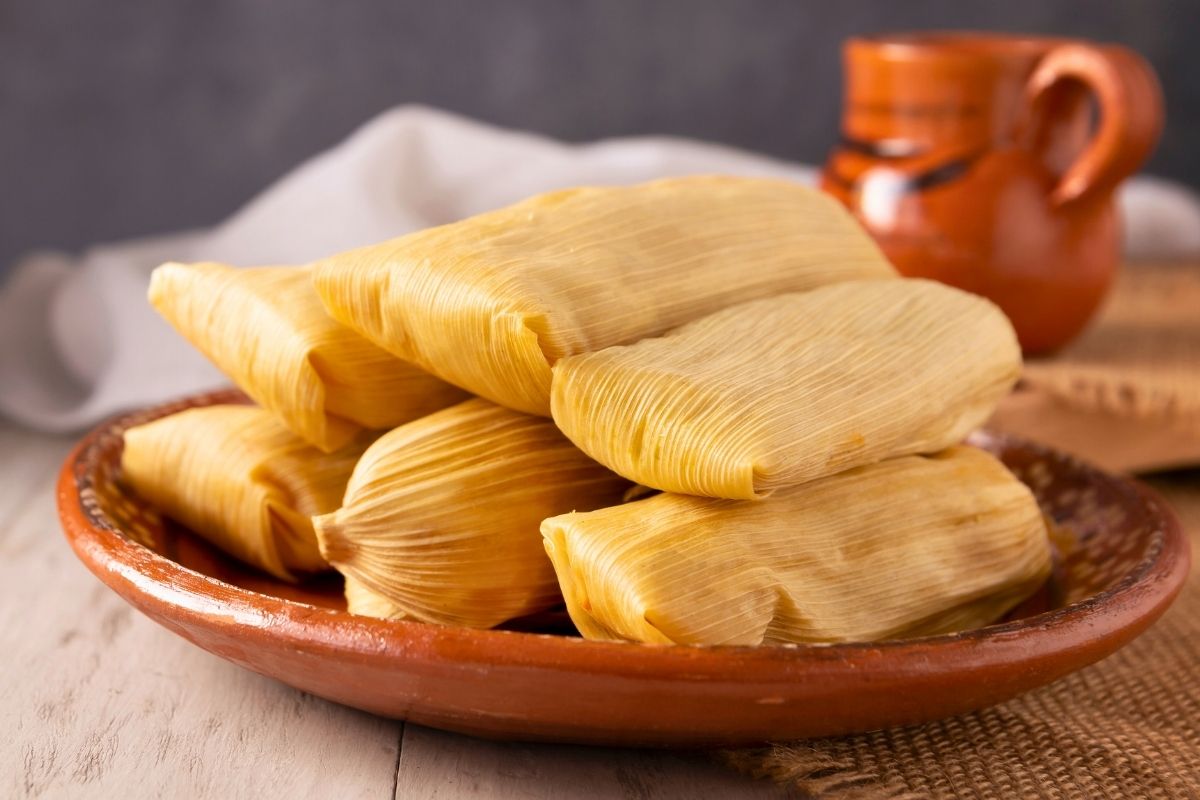
The frustration of biting into a dry tamale after hours of preparation strikes home for many home cooks.
Multiple interconnected factors create this disappointing outcome, from masa preparation missteps to storage mishaps. Understanding why your tamales dry overnight reveals the delicate balance required in traditional tamale-making.
Temperature fluctuations during storage often trigger moisture loss, especially when tamales cool too rapidly or lack proper wrapping.
The masa's fat content plays a crucial role - insufficient lard or shortening creates a crumbly texture that worsens over time. Additionally, overcooking during the initial steaming process drives out essential moisture that cannot be recovered.
The key lies in identifying which stage introduced the dryness to prevent future disappointments and restore your tamale-making confidence.
Are Your Tamales Turning Out Dry? Let's Unravel the Mystery
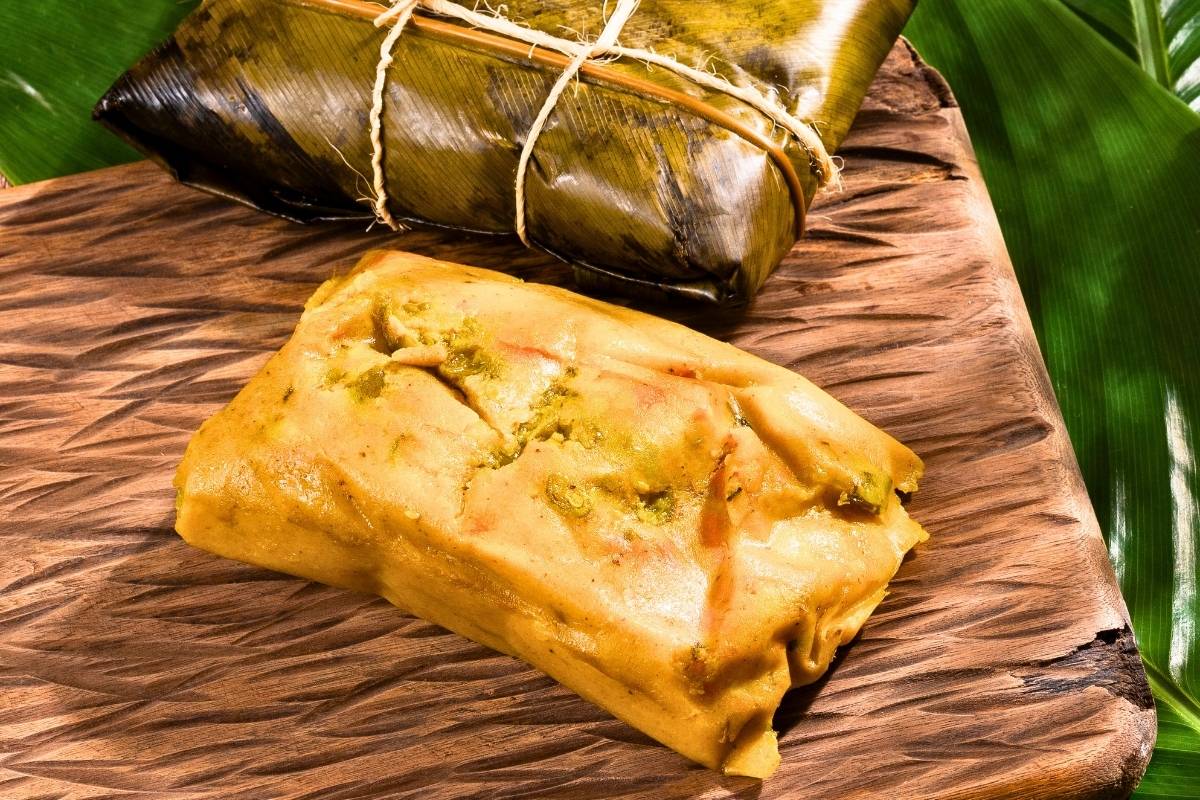
The frustration of biting into a dry tamale after hours of preparation strikes home for many home cooks.
Multiple interconnected factors contribute to tamale dryness, creating a complex puzzle that requires understanding each element's role in moisture retention.
Temperature control emerges as a critical factor often overlooked by home cooks. When tamales cool too rapidly or sit exposed to air, they lose moisture quickly.
This process accelerates when tamales dry overnight without proper storage, leaving you with disappointing results the next day.
The steaming environment itself plays a pivotal role in determining final texture. Insufficient steam circulation, inconsistent heat levels, or overcooking can transform perfectly prepared masa into a disappointing, crumbly texture that lacks the tender bite tamales are known for.
Understanding these interconnected elements helps identify where your tamale-making process might be going wrong, setting the foundation for implementing targeted solutions.
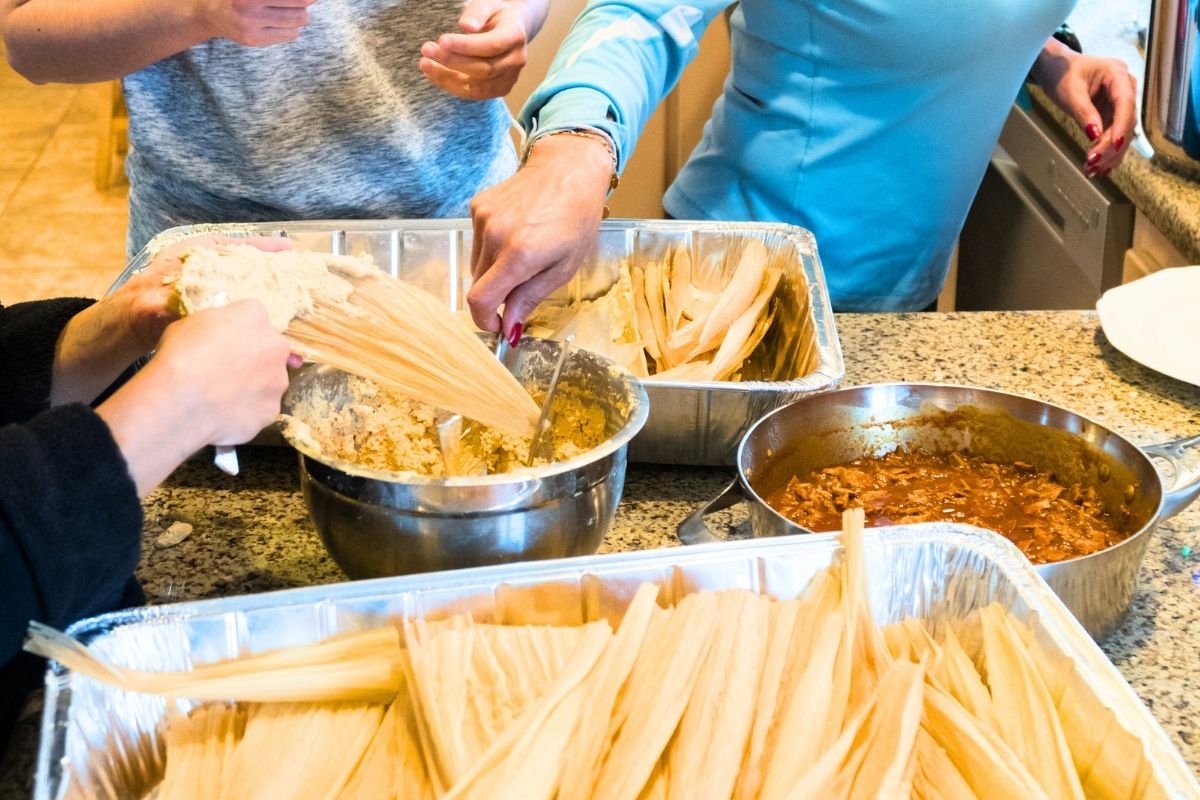
FAQ
Proper steaming technique forms the foundation of moist tamales. Position tamales upright with the open end facing up, allowing steam to penetrate evenly without washing away the filling. Maintain consistent steam levels throughout the cooking process by checking water levels every 30 minutes and adding hot water as needed.
Wrapping quality significantly impacts moisture retention. Ensure corn husks are properly soaked and pliable before wrapping, creating a tight seal that traps steam inside. Double-wrap delicate tamales or those with wet fillings to prevent moisture loss during the extended cooking time.
Temperature control prevents the common mistake of rushing the process. Cook on medium heat to allow gentle, consistent steaming rather than aggressive boiling that can create uneven heating. This steady approach helps tamales retain their moisture even if they sit overnight, preventing tamales dry overnight scenarios that disappoint eager families the next day.
Monitor your steamer's water level religiously – dry steamers are the fastest route to disappointing results.
The masa foundation determines whether your tamales retain moisture or turn disappointingly dry.
Fresh masa harina mixed with adequate lard or shortening creates a lighter, more porous texture that holds steam effectively during cooking.
In contrast, overly dense masa acts like a moisture barrier, preventing steam penetration, and leading to dry results.
Fat ratio plays the crucial role here—properly prepared masa should contain approximately 20-25% fat content to achieve optimal moisture retention. When masa lacks sufficient fat, it becomes compact and prevents the natural steaming process that keeps tamales tender.
This density issue becomes particularly apparent when storing tamales overnight, as improperly mixed masa will cause my tamales dry overnight even faster than well-prepared versions.
The beating technique also impacts moisture levels significantly. Under-beaten masa remains heavy and dense, while properly whipped masa incorporates air pockets that trap steam and maintain tenderness throughout the cooking process.
Gentle steam reheating preserves moisture better than any other method. Place tamales in a steamer basket over simmering water for 15-20 minutes, keeping husks intact to lock in natural moisture.
The Best Way to Reheat Frozen Tamales Fast recommends this approach for maintaining the original texture and preventing that dreaded rubbery consistency.
Microwave reheating requires extra caution to avoid overheating. Wrap each tamale in a damp paper towel and heat in 30-second intervals, checking frequently.
This prevents the opposite problem of learning how to fix mushy tamales, which can happen when moisture levels fluctuate too dramatically during reheating.
Avoid dry heat methods like ovens or direct pan heating, which draw moisture from the masa, create tough, and chewy textures that defeat your careful preparation efforts.
Overcooking ranks among the primary culprits behind dry tamales. Extended steaming times cause moisture to evaporate from the masa, leaving behind a crumbly, disappointing texture that's difficult to fix once it occurs.
The sweet spot for steaming tamales typically falls between 60-90 minutes, depending on size and filling density.
Beyond this window, the masa begins losing its natural moisture content, while the corn husks may start pulling additional liquid from the filling.
A common pattern is checking doneness by unwrapping one test tamale - the masa should pull away cleanly from the husk without sticking.
Conversely, undercooking creates its own moisture problems.
Raw or partially cooked masa feels dense and gummy, creating the illusion of dryness when the real issue is incomplete cooking.
This particularly affects tamales with thick masa layers or dense meat fillings that require longer heat penetration.
The key lies in maintaining consistent medium steam throughout the cooking process, as fluctuating temperatures force the masa to repeatedly contract and expand, ultimately compromising its ability to retain moisture and creating texture issues that are challenging to remedy later.
Fat content serves as the foundation for achieving perfectly textured tamales. Lard or vegetable shortening creates essential moisture barriers within the masa, preventing the dough from becoming dense or crumbly during steaming.
When masa lacks sufficient fat—typically around 25-30% of the flour weight—the result is often dry, compact tamales that crumble apart.
The fat also enables proper masa aeration during mixing.
Whipped lard incorporates air pockets that keep tamales light and fluffy rather than heavy.
However, too much fat creates the opposite problem, leading to greasy tamales that may fall apart or become overly soft.
If you need to fix mushy tamales caused by excess fat, reduce the lard by 10-15% in your next batch while increasing the broth slightly to maintain moisture.
Proper fat distribution ensures each bite delivers the tender, cohesive texture that defines quality tamales, setting the stage for proper storage techniques that maintain this ideal consistency.
Proper storage techniques can make the difference between enjoying tender tamales days later or dealing with disappointing dry results. The key lies in maintaining moisture while preventing condensation that could lead to mushy tamales.
Refrigeration requires careful wrapping to lock in existing moisture. Wrap individual tamales tightly in plastic wrap, then place them in an airtight container.
This double-barrier method prevents air exposure while containing steam. For short-term storage, keep tamales in their corn husks, as these natural wrappers help retain moisture for up to three days.
Freezing extends shelf life without compromising texture when done correctly.
Wrap tamales individually in aluminum foil before placing in freezer bags, removing excess air to prevent freezer burn.
Properly frozen tamales maintain quality for up to six months while preserving their original moisture content for successful reheating later.